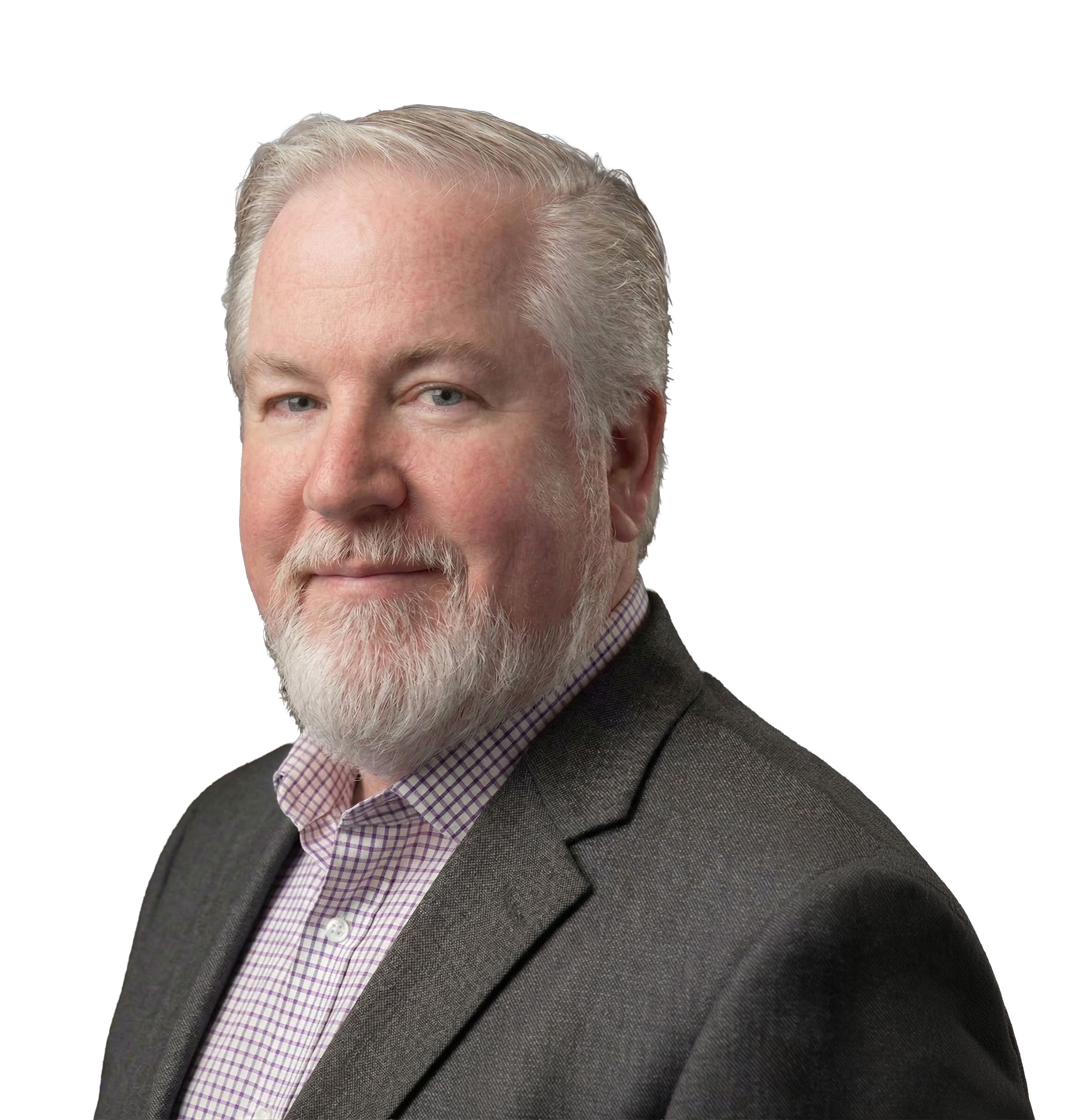
Peter Havens
General Manager, Cadillac Fairview
You don’t have to do everything yourself. Knowing your limits and relying on the right people is a big part of managing those situations effectively.
How did you get started in the industry and what properties are you currently responsible for?
I’ve been in property management for about 21 years. I actually started in retail, working in a store, and then had an opportunity to move to the leasing side. I took it and never looked back.
It wasn’t something I initially planned, but once I transitioned to the landlord side, I really connected with the work. It gave mea different perspective on how properties operate as a whole, and that’s what kept me in the industry long-term.
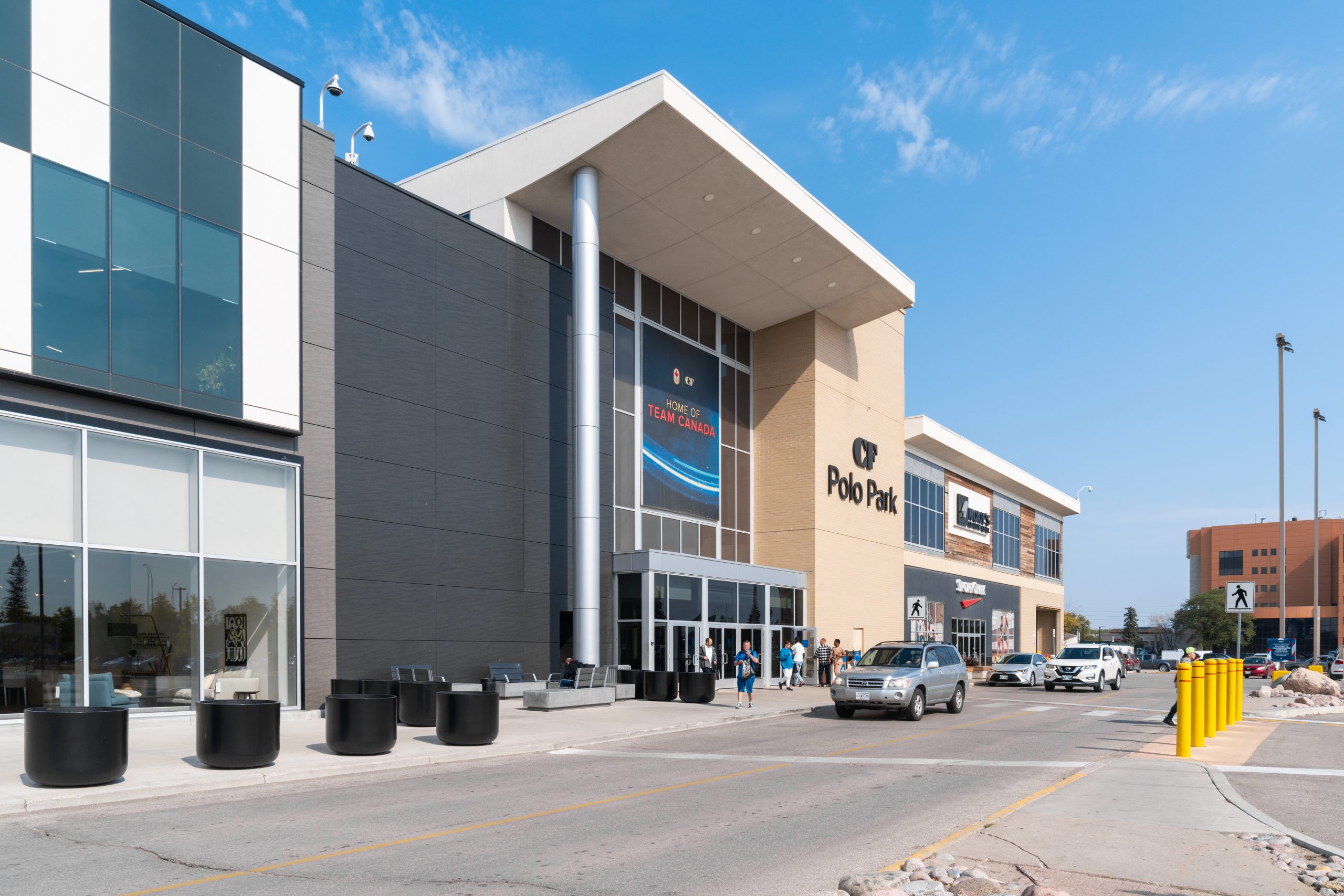
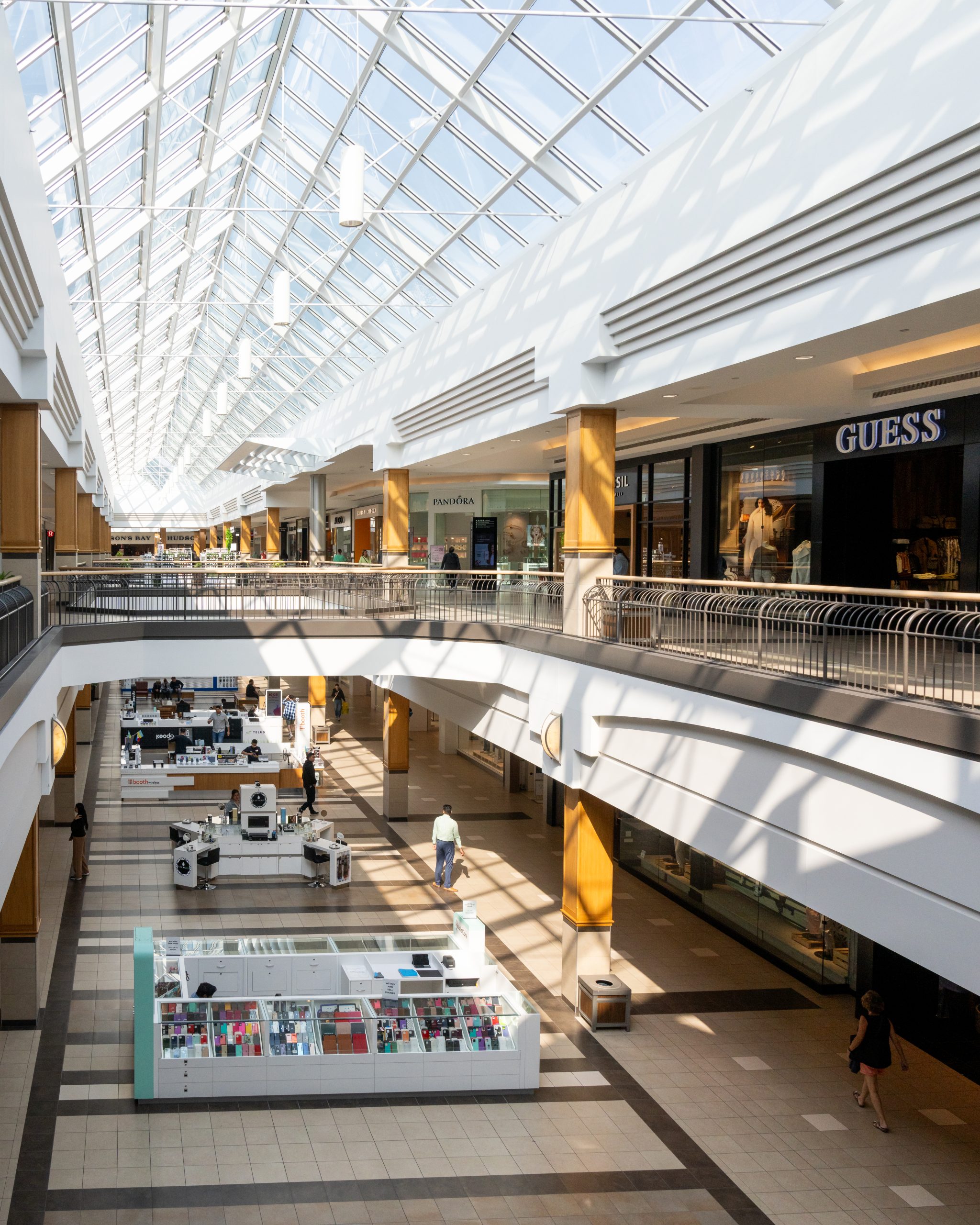
Here in Manitoba, CF Polo Park is my primary focus. That includes not just the main shopping centre but also surrounding buildings and parcels. It’s a large footprint with a lot going on.
What does a typical day look like for you?
That’s one of the things I love most about this role—there really isn’t a typical day. I’ve been here for 10 years, and every day is different.
There are some constants, like emails and communication with team members and stakeholders, but I always try to get out onto the shopping centre floor. I make an effort to walk the property, connect with tenants, and see what’s happening firsthand.
A big part of the day is also understanding where we are in the retail cycle. Whether it’s leasing activity, tenant movement, development, or budget season, those factors really dictate what the focus looks like day to day.
How do you build strong relationships with tenants?
I see my role as helping tenants put their best foot forward. If they’re facing an obstacle or need something, I want to know so I can help remove that barrier or provide what they need to succeed.
At the end of the day, their success drives my success. Without the tenants, there is no property. So, if we can create an environment that supports them and makes the centre a desirable place to be, then we’re doing our job right.
It’s really about communication, being present, and making sure they feel supported so they can focus on running their business.
When evaluating potential tenants or new concepts for CF Polo Park, what information do you consider?
We rely heavily on customer data and feedback. We conduct surveys and track trends to understand what people are looking for.
Food, beverage, and experiential retail have been growing for a long time, and that’s something we continue to lean into. Especially in Winnipeg, where there’s a strong food scene, people expect more than just a standard offering.
At the same time, you can’t ignore what has proven successful. Some brands have been around for years because they continue to evolve with the customer. It’s about finding that balance between introducing something new and maintaining what people already come for.
What’s one skill people underestimate in property management?
Time management, without a doubt.
Since no two days are the same, you have to stay focused on what matters. There are plenty of days where I come in with three priorities and don’t get to any of them. Those tasks don’t go away, so you have to stay disciplined and organized.
A big part of it is knowing what to prioritize, when to say yes or no, and making sure you don’t lose sight of what’s important.
In your opinion, what’s changed the most in commercial real estate over the past few years?
The pace. There’s an expectation now that everything happens quickly, whether it’s tenant requests, construction timelines, or operational changes. That urgency flows through everything.
Even renovations that used to only take place in slower seasons now happen year round. Tenants are making decisions faster, timelines are tighter, and the environment overall is more fast-moving than it used to be.
How do you handle high-pressure situations?
Experience helps, but it really comes down to staying calm and focusing on solutions.
You start with the basics, making sure everyone is safe, then work through the problem step by step. It’s also important to recognize when to bring in experts.
You don’t have to do everything yourself. Knowing your limits and relying on the right people is a big part of managing those situations effectively.
A lot of the work happens behind the scenes. The goal is to resolve the issue and keep things running as consistently as possible, often without people even realizing there was an issue in the first place.
You obviously deal with a lot of people including plenty of suppliers and vendors.
What does a strong contractor relationship look like?
I think a strong contractor relationship is really a partnership.
From my perspective, part of my role is creating the opportunity. Once that opportunity is there, it’s up to the contractor or service provider to deliver and carry that forward. I can’t control how the work is executed, but I can help set the stage for success.
At the end of the day, both sides have a role to play. When everyone understands that and focuses on doing their part well, that’s when you get the best results.
An important part of BOMA’s offering is ‘the network’, and the opportunity to meet with fellow industry members on a regular basis. What’s the biggest mistake people make when networking?
Not being specific enough.
If you’re going to a networking event, it’s always great to set an intention. That could be something like talking to three new people, getting someone’s perspective on a specific question, or even gathering a few local recommendations.
A lot of people just show up and think, “Oh, I hope there’s some good food” or something like that. But if you’re taking the time to be there, you want to get something out of it. It doesn’t have to be anything crazy, even something simple, like wanting to find new music or meet 3 new people; just set an intention before you approach it and then see if you can fulfill it.
What’s one piece of advice you’d give your younger self?
Never stop learning. This industry is constantly evolving, and staying curious is critical. There’s always something new, whether it’s technology, systems, or processes.
At the same time, you also need to understand the fundamentals. Buildings are longterm assets, so you can’t just chase what’s new. You need to balance both and leave everything better than you found it.